L&L Academy and Preschool

L&L ACADEMY · LAKEVIEW

Preschool in Lakeview, Chicago

Choosing a preschool is a big decision. You want to know who will greet your child in the morning, who will notice when they need a little extra help, and whether they'll feel comfortable enough to play, explore, and be themselves.

That's what we want for children at L&L, too. Our teachers take the time to get to know each child — what makes them laugh, what draws them into play, when they need encouragement, and when they're ready to try something on their own.

That's where learning starts here.

Explore Programs ↓
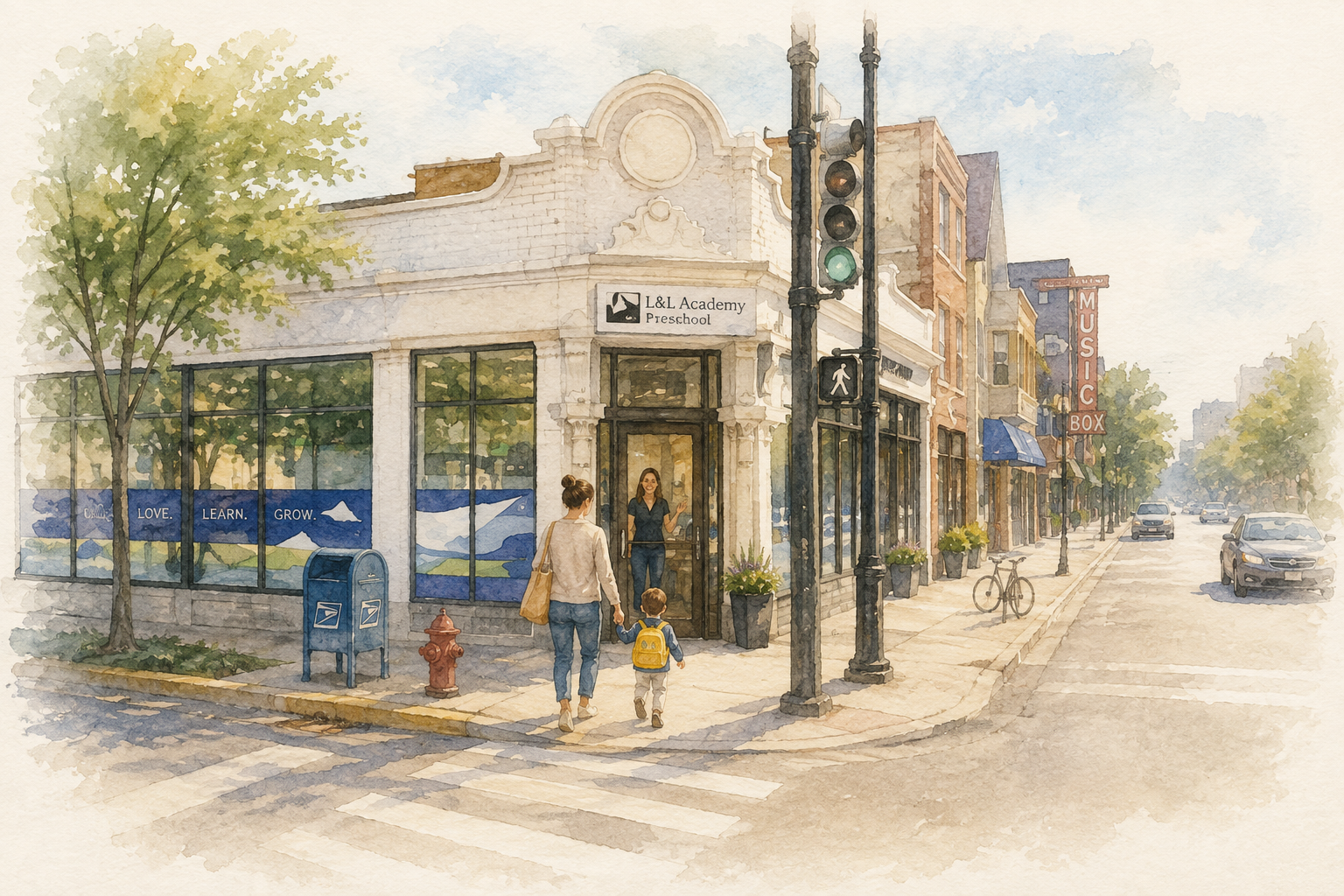
L&L Academy Lakeview preschool on Belmont Avenue with a parent and child arriving at school

What Makes L&L Different

How Learning Takes Shape

Young children learn by doing. They ask questions, try things, make mistakes, and often surprise us with what catches their attention. Our teachers pay attention to those moments because they tell us a lot about what a child is ready for next. Sometimes that means joining the play. Sometimes it means asking a question. And sometimes the best thing a teacher can do is watch for another minute and let the child figure something out. There is plenty of time to play and explore here, but there is always thought behind what happens in the classroom.

A child pouring liquid into a large blue mixing bowl during a classroom activity at L&L Lakeview.

Emergent, not random

Children's interests give teachers somewhere to begin. A tower that keeps falling can turn into a conversation about balance. A bug found outside might become something the whole class wants to investigate. A child who keeps pretending to run a restaurant may suddenly give teachers all kinds of ways to introduce counting, writing, new words, and working together. Teachers notice what children keep coming back to. Then they find ways to take that interest a little further. That's what makes the curriculum emergent. The ideas may begin with children, but teachers are thinking carefully about where those ideas can go.

Structure with room to explore

Not every part of a child's day needs an adult directing it. When children have time to play together, they're learning how to join a group, share an idea, handle disagreement, make a friend, and decide what happens next. Teachers stay close and pay attention. But they don't solve every problem the moment it happens. If two children both want the same truck, for example, a teacher might wait a moment to see what they try first. They may find their own solution. If they need help, the teacher can step in with words or questions that help them work through it. Those small experiences build confidence and relationships. Children begin learning, I can figure things out. I can tell someone what I need. I can be part of a group.

Teachers who notice the moment

Knowing when to step in matters just as much as knowing how. A child struggling with a puzzle doesn't always need someone to show them where the piece goes. They may need another minute to turn it around and try again. A child standing near a group of friends may not need an adult to bring them into the game. A teacher might stay nearby and see whether the child finds their own way in. And sometimes a child does need help. That's when a teacher can offer a word, ask a question, demonstrate something, or simply provide reassurance. Teachers learn a great deal by watching children this way. They begin to see what comes easily, what is still developing, what interests a child, and when they're ready for a little more. That is why observation is such an important part of teaching at L&L.

The First Step

It starts with getting to know your child.

Before we can know when to challenge a child, when to help, or when to simply give them another minute to try, we have to know them.

Some children walk into something new without hesitation. Others like to stand back and watch first. One child may need help finding the words when they're frustrated. Another may already have the words but still need help working through a big feeling.

Our teachers learn those differences over time. They pay attention to what makes a child laugh, what holds their attention, what frustrates them, and what helps them feel comfortable enough to try again.

Because the better we know a child, the better we can understand what they need from us.

What your child needs

Teachers get to know how each child approaches the day and respond accordingly. Some children need a little time to watch before joining something new. Others jump right in. For infants, teachers learn the small cues that tell us a baby may be hungry, tired, uncomfortable, or ready to play.

What draws them in

A child shows us a lot through what they return to again and again. It might be music, building, books, movement, water, or simply watching what another child is doing. Teachers notice those interests because they often give us the best place to begin.

Where they're growing

Sometimes growth is easy to see. Other times it's quieter. A child asks another child to play for the first time. A toddler uses a word instead of grabbing. A baby keeps trying to reach something that was difficult yesterday. Teachers notice those small changes because they help us understand what a child may be ready for next.

Programs at Lakeview

Growing with them, from their first days through Pre-K.

Every stage brings something new. Find the program that fits where your child is right now.

Inside Our Lakeview Schools

Spaces designed for children to feel at home.

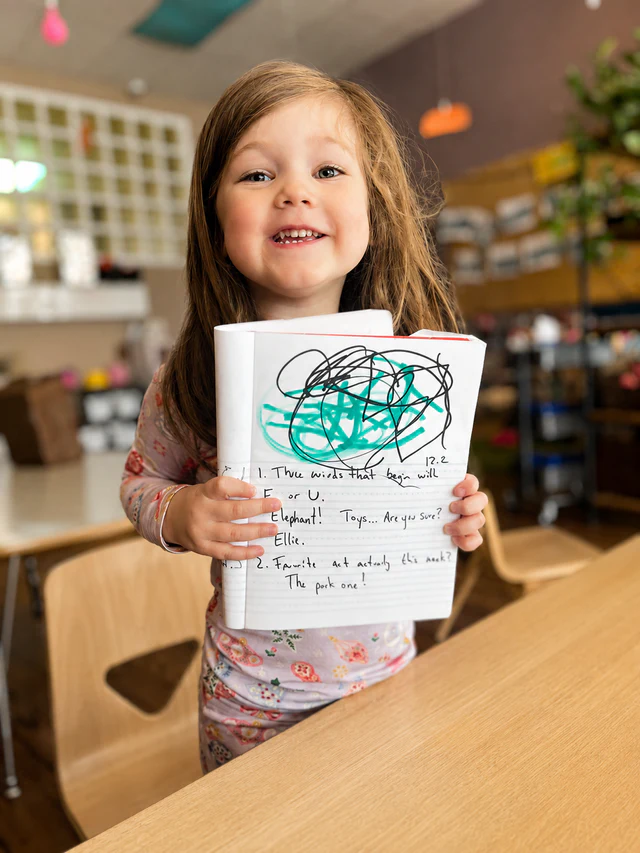
A smiling child proudly holding up her drawing in a Lakeview classroom.
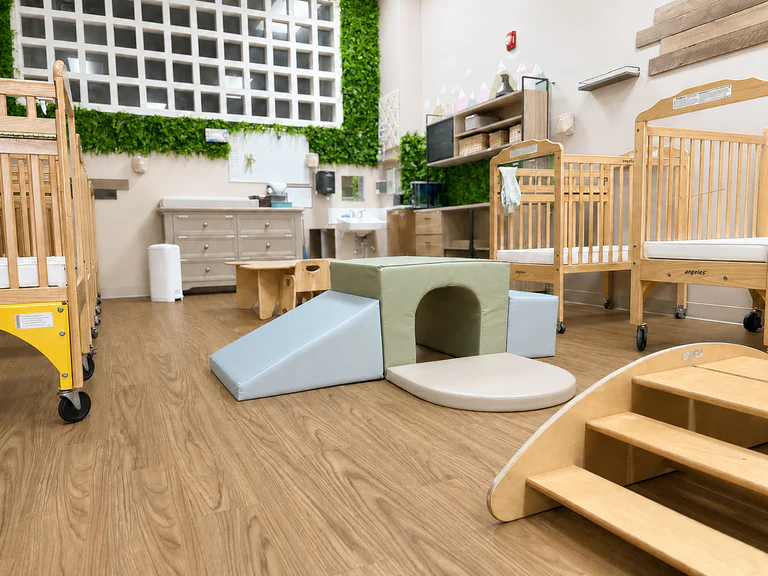
Lakeview's infant classroom with wooden cribs, climbing equipment, warm wood flooring, and greenery.

A Day at L&L

While you're having your day, they're having one too.

Children's days look different as they grow. What stays the same is that teachers are paying attention to what a child needs, what they're trying to do, and when a small moment can become something worth learning from.

An infant's day looks a little different.

Babies aren't expected to follow a preschool schedule. Teachers learn each child's cues and build the day around care, movement, rest, and time to explore.

Care & connection

Feeding, diapering, and settling aren't breaks from learning. They're one-on-one moments when teachers talk with babies, learn their cues, and build trust.

Time to move

Babies get plenty of floor time to reach, roll, stretch, and move on their own. Teachers stay close without rushing them toward the next milestone.

Communication before words

A look, sound, or gesture is already communication. Teachers respond and add language so babies begin connecting words with what they're experiencing.

Small discoveries

A toy that makes a new sound or an object that feels different can hold a baby's attention for a long time. Teachers notice what interests them and give them room to keep exploring.

Fresh air & the world outside

Outdoor time brings new sounds, movement, light, and things to notice. Even the youngest children benefit from experiencing more than the classroom around them.

Why it matters

When teachers know a baby well, they begin noticing the small signals that tell them when that child needs comfort, space, rest, or another chance to try.

As children grow, their day opens up too.

There are familiar routines, but there is also plenty of room for children to make choices, play with friends, test ideas, and follow what catches their attention.

Learning through play

Building, pretending, drawing, sorting, and experimenting give children ways to test ideas and solve problems. Teachers notice what children are working on and help take those ideas a little further.

Becoming more independent

Children practice doing more for themselves — putting things away, washing hands, getting dressed, making choices, and trying before asking an adult to do it for them.

Friends & big feelings

Playing with other children means learning how to join in, wait, disagree, make up, and understand that someone else may want something different. Teachers help when children need words or support.

Questions turn into learning

A question about a bug, a building, or something seen outside can become the start of a bigger classroom idea. Teachers follow what children are curious about and find ways to help them explore it further.

Outside the classroom

Outdoor play, neighborhood walks, and age-appropriate experiences give children more to talk about, notice, and bring back into the classroom.

What this can look like

A child spends several minutes trying to zip a jacket. The teacher could do it in two seconds. Instead, they help just enough for the child to keep trying.

The People Behind the Day

Great teachers don't stop learning either.

We ask our teachers to invest a lot in the children they care for. We believe it's our responsibility to invest in them, too.

Throughout the year, our educators come together for continuing education, training, and time to learn from one another. Sometimes that means bringing in an outside speaker with new ideas in early childhood education. Sometimes we're strengthening safety practices, working through classroom challenges, or simply becoming a stronger team.

The better supported and better prepared a teacher feels, the more they can bring back to the children in their classroom.

When teachers grow, children feel it.

We keep learning together

Several times throughout the year, our educators come together for continuing education and training. We revisit important policies and safety practices, deepen our understanding of early childhood education, learn from outside speakers, and spend time learning from one another.

Safety is worth the extra step

Rather than limiting CPR training to the minimum number of staff required, L&L certifies our teachers in CPR. We want the adults caring for children to feel prepared to respond when it matters.

A teaching job can become a career

We want talented educators to be able to picture a future here. When an educator wants to further their education or prepare for the next step, we look for ways to help through educational support, scholarships, or other assistance when appropriate.

We grow leaders from within

A teacher shouldn't have to leave L&L to move forward. We create opportunities for educators to take on more responsibility, strengthen their skills, and grow into leadership positions within our schools. Children benefit too, because strong educators have a reason to keep building their careers here.

Beyond the Classroom

The classroom is only the beginning.

Some experiences add something different to the week. Beginning in our toddler programs, children spend time with a dedicated Spanish teacher and visiting music specialists. And as children grow, what they notice and experience outside the classroom often finds its way back in.

Spanish

Another language becomes familiar.

Beginning in our toddler classrooms, a dedicated Spanish teacher visits children throughout the week. Through songs, conversation, familiar words, and playful activities, children hear Spanish in a classroom where they already feel comfortable.

At this age, the goal isn't memorizing vocabulary or being tested on what they know. It's giving children regular opportunities to hear another language, try new words, and become comfortable with sounds that may be different from the ones they hear at home.

Music

Music brought in by specialists.

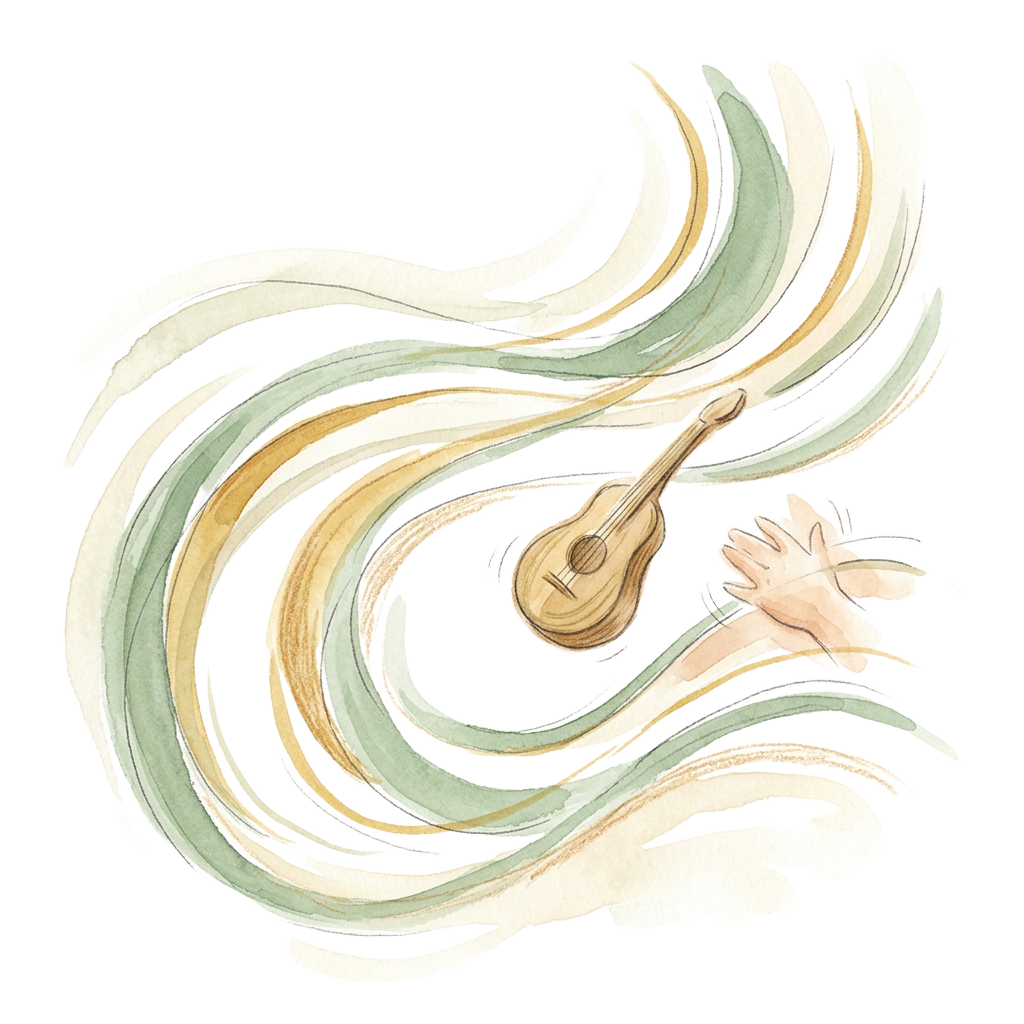
Beginning with toddlers, visiting music specialists come into our schools to sing, move, play instruments, and make music with the children.

Children listen, copy sounds and movements, anticipate what comes next, and find their own ways to join in. Bringing in music specialists gives children a chance to learn from someone whose expertise is specifically in music while their classroom teachers remain part of the experience.

Beyond Our Doors

The neighborhood becomes part of the classroom.

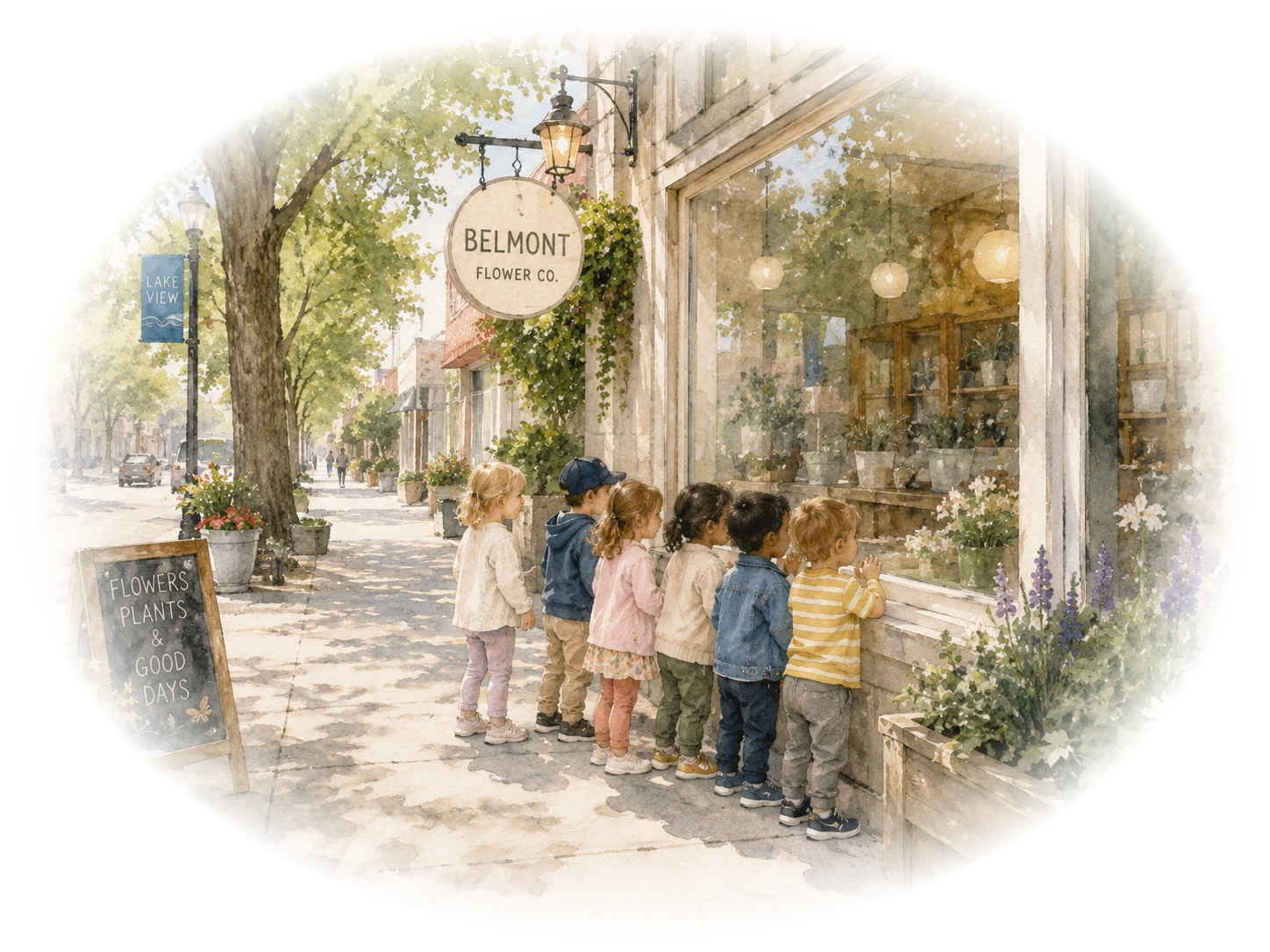
Children notice things adults walk past every day. A construction truck on Belmont. Leaves changing on a familiar tree. A dog they see again on a walk. A question that starts outside can easily follow us back into the classroom.

Teachers listen for those moments. Something children notice in the neighborhood might lead to a book, a drawing, a building project, or simply a conversation that keeps growing. For older children, walks, community experiences, and age-appropriate field trips give them even more of the real world to wonder about.

L&L has been part of Lakeview since 2012.

Families Are Part of the Story

You should feel part of their day, too.

A lot happens between drop-off and pickup. A new friend. Something that made your child laugh. A skill they've been working on that suddenly clicks. We want you to know about those moments, not just whether lunch was eaten or a nap was taken.

And as we get to know your child over time, those everyday observations help us see the bigger picture of how they're growing.

What happened today?

Brightwheel keeps you connected throughout the day with updates, photos, messages, and the little moments teachers want to share. It's a window into your child's day and another way for families and teachers to stay connected.

What are you noticing over time?

Twice each year, families receive a progress report and sit down with their child's teacher for a conference. We talk about what we've been noticing over time — new skills, friendships, interests, challenges, and what your child may be ready for next.

Because these conversations come from months of knowing your child, they're about much more than checking boxes on a report.

And parents should know each other, too.

Back to School Night, Gallery Night, and family events give parents time to step into their child's school world and get to know one another, too. Children's friendships often bring families together too — familiar faces at drop-off become conversations, playdates, and sometimes friendships that last well beyond the classroom.

The better we know your child, the more meaningful our conversations with you become.

Our Schools Are Personal to Us

We know what it feels like to leave your child with someone else.

Many of us who lead L&L are parents ourselves. We know what it feels like to pack the bag, say goodbye, and walk away hoping your child will be understood, comforted, and cared for while you're not there.

That perspective has stayed with us as L&L has grown. We're privately owned, and the decisions we make about our schools are still personal. We lead with early childhood expertise, but we're also building the kind of schools and communities we want for our own children. We carry those same expectations into every L&L school.

So we ask ourselves the questions a parent would ask: Would I feel comfortable leaving my child here? Would someone notice if they were having a hard day? Would they be comforted? Would their teacher really get to know them?

Those questions influence how we choose and develop teachers, how we communicate with families, how we design our schools, and how we help children through the transition into school.

Leaving can be hard.

Some children wave goodbye and start playing. Some cry. Some need more time before school feels familiar. We don't expect children — or parents — to handle that transition exactly the same way.

Tell us what works at home.

You know your child first. Tell us how your baby likes to be soothed, what your toddler calls their favorite blanket, what makes them laugh, or what usually helps when they're upset. Those details help us begin getting to know them.

We'll get to know them, too.

Over time, teachers learn the little things: how your child asks for help, what draws them into play, when they need encouragement, and when they simply need someone close by. That's when school starts becoming a familiar place with people they know and trust.

We built the kind of schools we would want our own children to attend.

Growing with Lakeview

Part of the Lakeview community since 2012.

L&L began in Lincoln Park in 2010. Two years later, we opened our first Lakeview school at 1056 W. Belmont Ave. As more Lakeview families joined us, we grew into nearby spaces along Belmont.

Today, our four Lakeview schools work together as one neighborhood community, serving children from infancy through Pre-K.

Four schools. One Lakeview community.

Lakeview East — Main

1056 W. Belmont Ave.
Chicago, IL 60657Get Directions →

6 weeks–6 years

Infant through Pre-K

Nearby

Near CTA Red/Brown Lines

Hours

Monday–Friday
7:30 a.m.–6:00 p.m.

Currently Enrolled Families

For school-specific communication only.

Infant Lakeview East

1046 W. Belmont Ave.
Chicago, IL 60657Get Directions →

6 weeks–14 months

Infants & Toddlers

Nearby

Near CTA Red/Brown Lines

Hours

Monday–Friday
7:30 a.m.–6:00 p.m.

Currently Enrolled Families

For school-specific communication only.

Infant & Toddler Lakeview West

1228 W. Belmont Ave.
Chicago, IL 60657Get Directions →

6 weeks–2 years

Infants & Toddlers

Nearby

Near Southport

Hours

Monday–Friday
7:30 a.m.–6:00 p.m.

Currently Enrolled Families

For school-specific communication only.

Finding Your Fit

Not sure which Lakeview school is right for your child?

You don't need to choose a Lakeview school before you inquire. Tell us your child's age, preferred start date, and anything important for us to know.

From there, you'll be able to review tuition and current availability and see available tour times. You can choose the visit that works best for your family, and our enrollment team can help determine which Lakeview location has the right classroom options for your child.

Have a school preference already? Add it in the notes on your inquiry form.

Have questions before your visit?

For questions about tuition, availability, programs, or your preferred start date, the best first step is to complete our prospective parent form.

Knowing your child's age at the time you would like care to begin, along with your desired start date, allows our enrollment team to give you much more accurate information about available classrooms.

You can also include any questions you have in the notes section of the form. We'll review everything together and respond with the information that applies to your family.

Most families find it easiest to save broader questions about the classroom, daily routine, teachers, and what their child's day may look like for the tour, when we can talk through everything together.

Have a specific or time-sensitive question?

If you have already submitted your information and something specific comes up that can't wait until your tour, you're welcome to call or text our Enrollment Director.

Ms. Nadi

Enrollment Director

For questions about space or availability, please complete the prospective parent form first so we have your child's age and desired start date. This helps us give you the most accurate answer.